 Customer story
Manufacturing / Technical RFQs
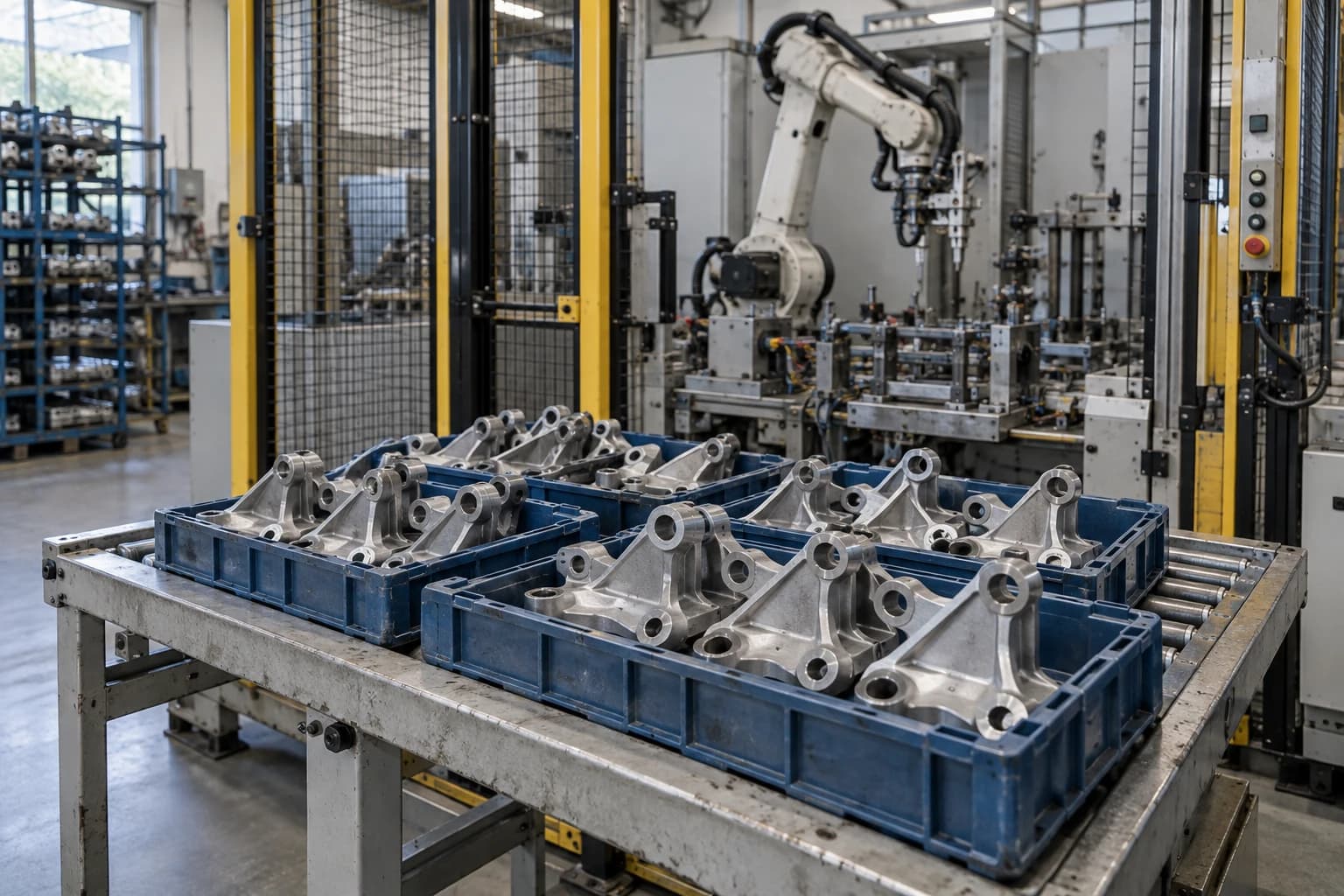
Theo cuts technical bid preparation from 18 hours to 7
Sales engineers draft from capability sheets and quality documents, then bring specialists in for the tolerances and exceptions that need a closer look.
Inside Theo
Technical RFQs
- less bid preparation time
- 61%
- 18 → 7 team hours per RFQ
- less specialist review time
- 44%
- 9 → 5 team hours per RFQ
- technical RFQs reviewed
- 6
- A six-week evaluation
01 / The starting point
One questionnaire, several versions of the answer
Sales engineering & quality
Technical RFQs
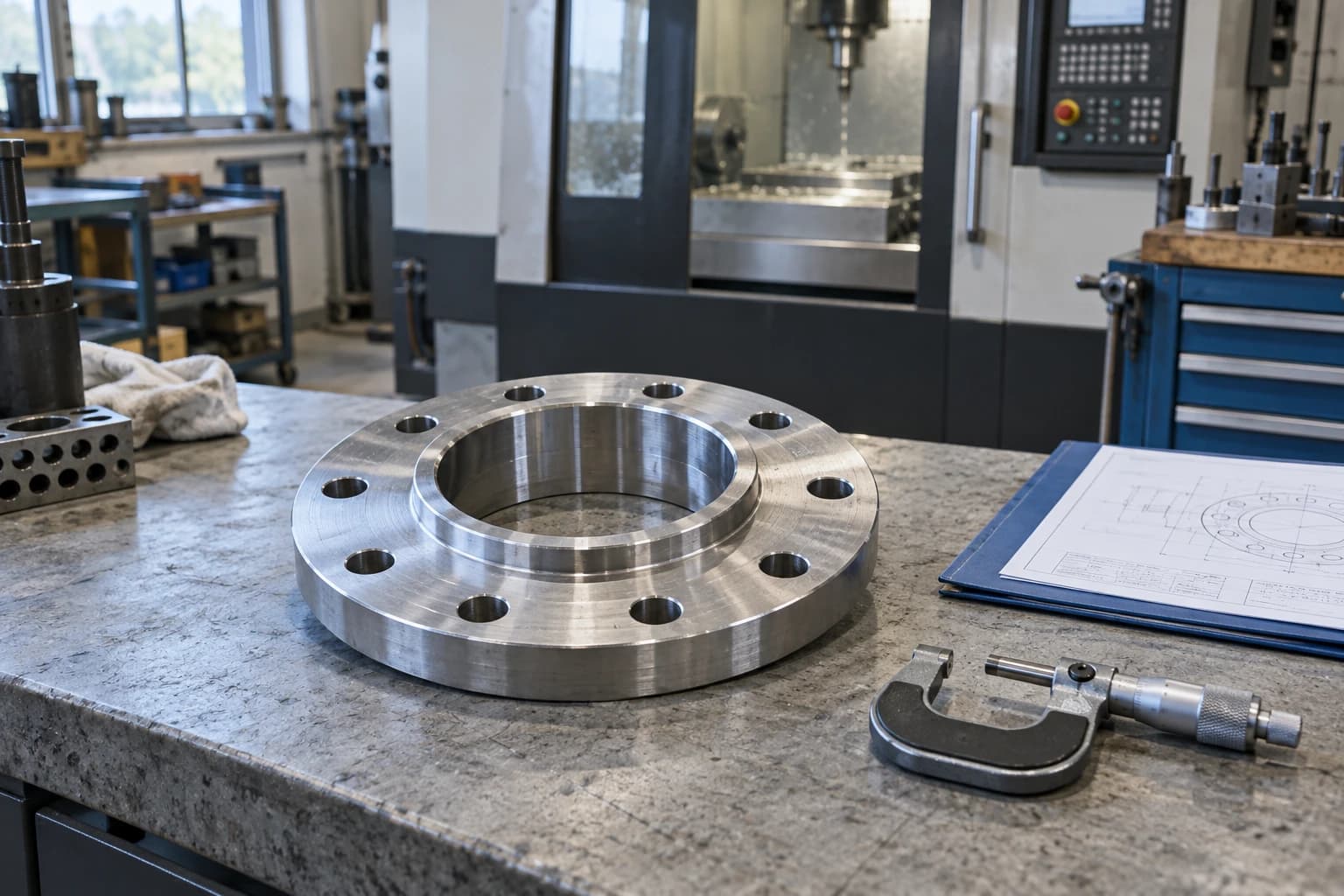
A machining tolerance depends on the material, geometry, and production line. Theo’s sales engineers needed those conditions attached to every answer in a technical bid.
The evidence lived in separate capability sheets, quality manuals, and old responses. Quality and production had to recheck the assembled draft for promises that were broader than the specifications supported.
About Theo
A precision manufacturer preparing technical bids for industrial buyers. Sales engineering coordinates responses with production and quality specialists.
Before
Copy capability claims from old responses
With Savix
Draft from current capability sheets and quality documents
Before
Review every technical statement from scratch
With Savix
Inspect the supporting source and concentrate on exceptions
Before
Resolve feasibility questions near the deadline
With Savix
Assign buyer-specific requirements before final review
02 / Working with Savix
Keep the technical conditions attached to the answer
The pilot began with a curated set of current capability sheets, inspection procedures, and approved technical Q&A.
- STEP 01
Use current specifications
Quality checked the reference collection before it was uploaded. Older specifications were excluded so they would not sit beside current documents as equally plausible answers.
- STEP 02
Prepare the routine response
Savix extracted the RFQ questions and drafted from the selected company knowledge. Sales engineering could follow each source reference to see the conditions behind a capability statement.
- STEP 03
Review the exceptions with engineering
Questions involving a new material, a tighter tolerance, or a buyer-specific test went to the relevant specialist. The team revised any unsupported commitment before exporting the response.
What made the difference
The useful answer was not just a tolerance — it was the tolerance, the material, and the conditions together
03 / One answer, from source to review
See the difference in an answer
The source sets the limits. The reviewer confirms what the team can commit to.
The buyer asks
Can you guarantee a ±0.01 mm tolerance for every supplied component?
Company source
Tolerances down to ±0.01 mm are available for selected geometries and materials, subject to drawing review.
Machining capability sheet · Precision range
Reviewed response
We can achieve tolerances down to ±0.01 mm for selected geometries and materials. Our engineering team will confirm feasibility for each component after reviewing the drawings.
Review owner: Sales engineering
04 / The results
More time for feasibility, less time rebuilding the response
Across the six RFQs, preparation fell from 18 to 7 team hours per response. Sales engineers spent less time transferring familiar material into a new questionnaire and could begin the technical review earlier.
Specialist review fell from nine to five team hours per RFQ. Engineers could go straight to the conditions behind a claim and spend their review time on drawing-specific questions. Feasibility checks, sample requirements, and pricing remained part of the team’s normal bid process.
team hours · 6 RFQs over 6 weeks
How these results were measured
Average research and first-draft preparation effort across six comparable technical RFQs during a six-week evaluation. Specialist review is tracked separately; feasibility testing and pricing are excluded.
Take this into your next response
Treat conditions and exclusions as part of the answer. A shorter response is not better if it removes the qualification that makes the claim accurate.